

In hospice care, compassion and dignity are the cornerstones of supporting patients in their final journey. Between-visit monitoring embodies this spirit of gentle vigilance, offering continuous attention without intruding on the peace patients and families seek. This approach transcends traditional periodic visits by using remote monitoring and telehealth technologies to gently watch over patients’ symptoms and comfort levels between scheduled in-person visits.
Hospice patients often experience fluctuating symptoms such as pain, breathlessness, or nausea that can intensify unexpectedly. Between-visit monitoring, aimed at patients and/or caregivers, provides clinicians with information to recognize and respond to changes, preventing unnecessary emergency visits and hospitalizations that can disturb a patient's comfort and dignity. It enables clinicians to reinforce the types of needs, when and how to reach out for increased hospice support. It also allows for timely medication adjustments, enhanced symptom management, and immediate emotional support through virtual visits or calls, which is invaluable when physical visits are limited by patient mobility or geographic barriers.
This continuous connection also deeply reassures patients and their families. Knowing that skilled caregivers are there for them helps ease anxiety, promotes trust, and supports patient-centered care aligned with individual goals and values. It extends the hospice team's presence into the home in a respectful, unobtrusive way, ensuring that care adapts fluidly as needs evolve.
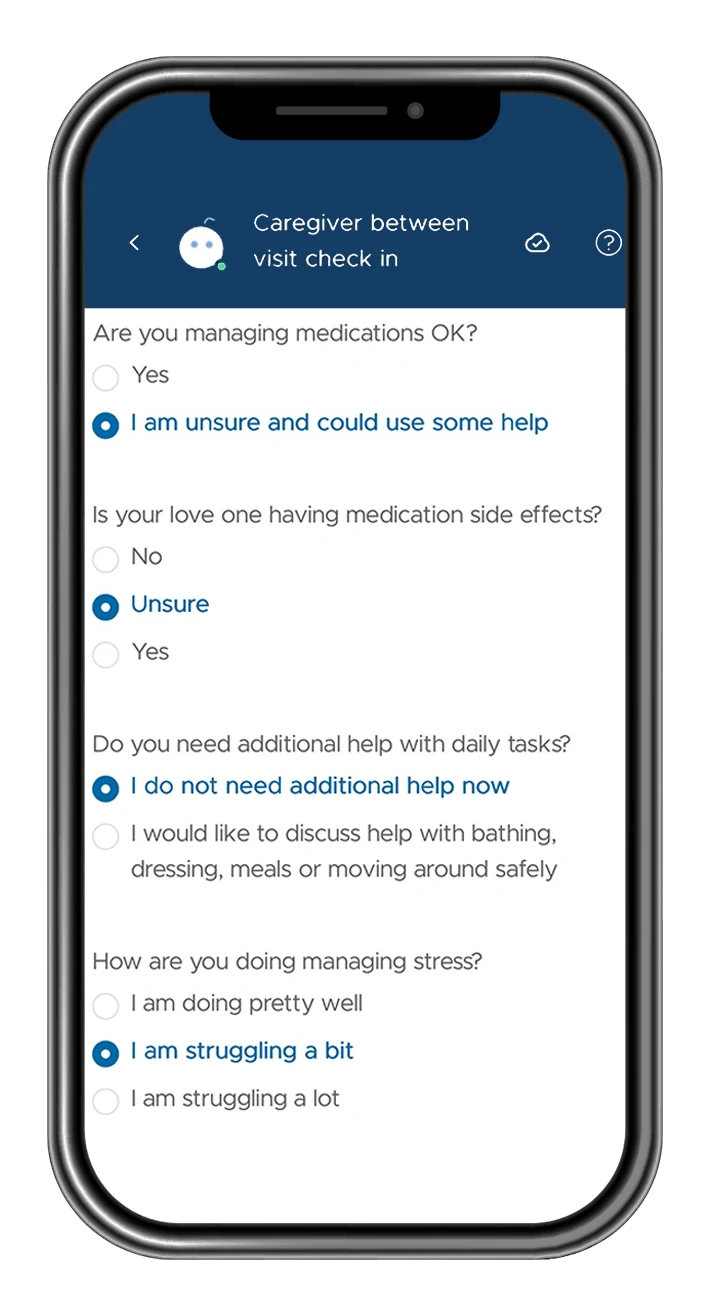
Research highlights that many hospice patients do not have sufficient contact with their care providers during the final days of life, underscoring the importance of between visit monitoring that can fill those gaps. Through gentle vigilance enabled by remote screening, hospice care becomes a seamless continuum—supporting quality of life, honoring personal dignity, and providing comfort when it matters most.
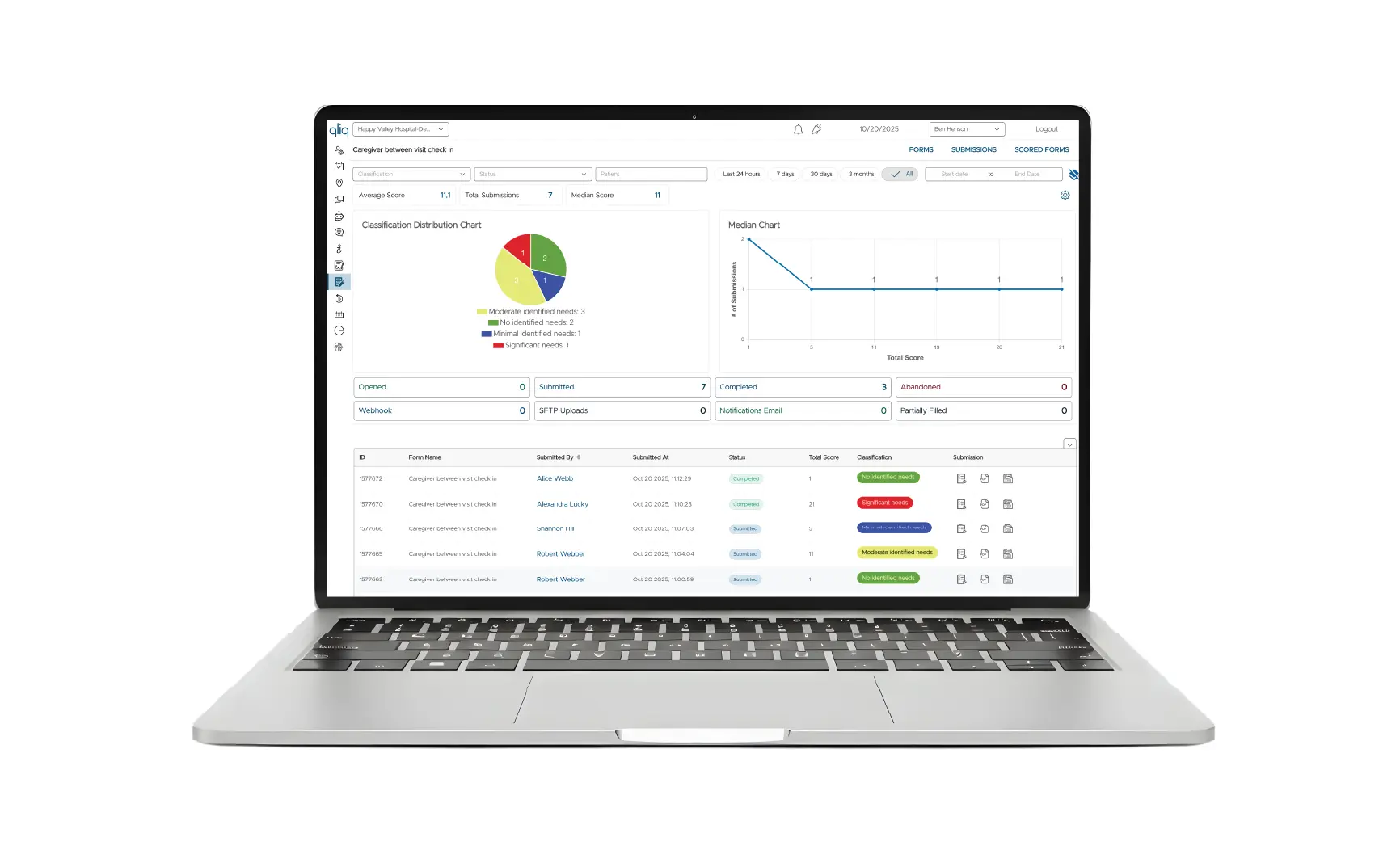
By embracing between-visit screening, hospice providers can deliver more compassionate, proactive care that keeps patients comfortable at home, strengthens family involvement, reduces distressing transitions, and upholds the core hospice mission: care with kindness, respect, and presence beyond the visible moments of direct contact.
This approach is not just a technological enhancement—it's a heartfelt extension of hospice values into invisible moments where vigilance gently protects and supports the most vulnerable with dignity and love.


